
Arizona and Colorado Fortify Legal Reserves Amid Colorado River Water Disputes |
Arizona and Colorado are strengthening legal resources amid escalating disputes over Colorado River water rights, aiming to avoid costly litigation. |
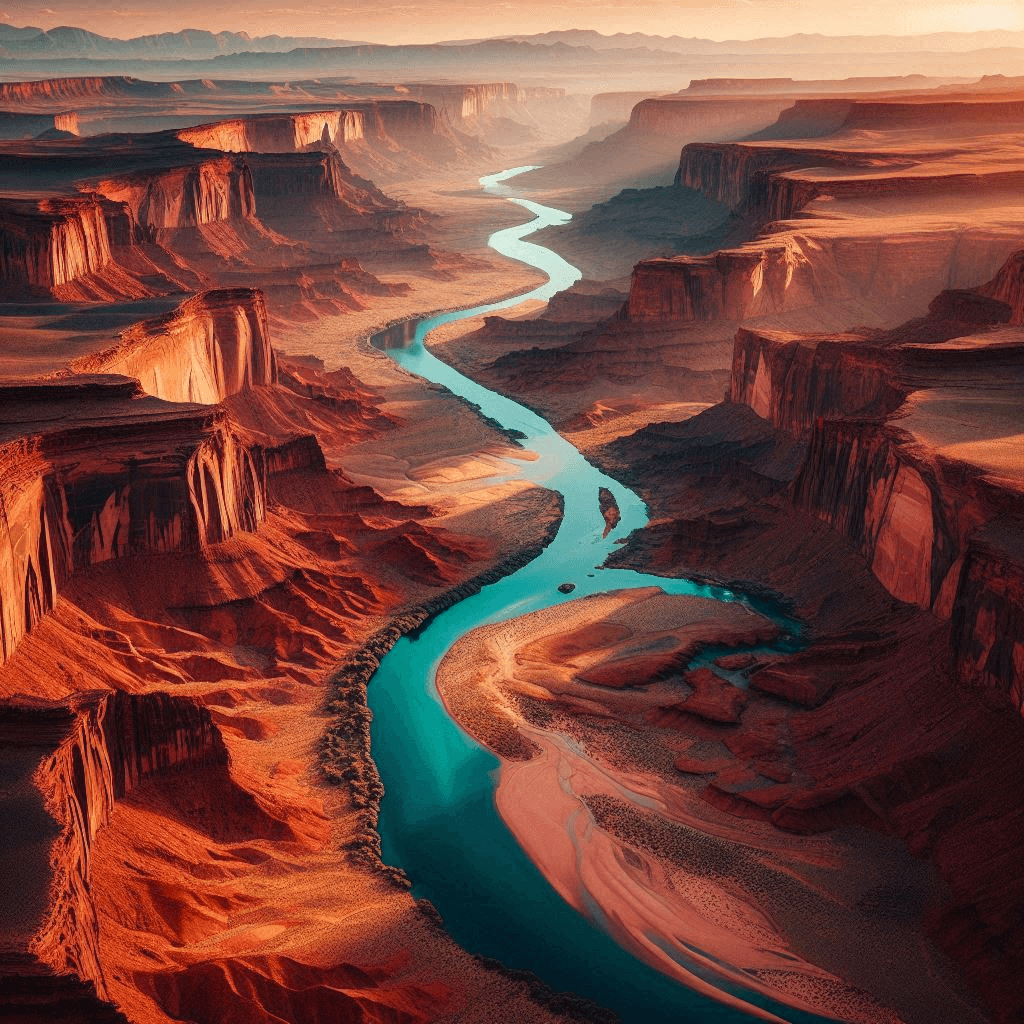
Arizona and Colorado are proactively bolstering their legal resources in anticipation of potential litigation over Colorado River water rights, even as they engage in ongoing negotiations to avert court battles.
The Central Arizona Project (CAP) has earmarked up to $6 million annually for the next two years to safeguard its threatened Colorado River allocations, which are vital for residents in the Phoenix and Tucson areas, as well as for agricultural needs.
Similarly, Colorado has expanded its legal team, with Attorney General Phil Weiser indicating that litigation appears increasingly unavoidable. "The reason it’s hard to get a deal is because you need two parties living in reality, and if one party is living in la-la land, you’re not going to get a deal," Weiser remarked, underscoring the challenges in reaching a consensus.
On Friday, January 30, U.S. Interior Secretary Doug Burgum is set to convene with governors or their representatives from all seven Colorado River Basin states. This meeting aims to forge an agreement to address the chronic overuse of river water. Arizona Governor Katie Hobbs and other attendees hope to make significant strides toward a deal, thereby sidestepping costly and protracted litigation.
The 1922 Colorado River Compact places the Lower Basin states in a strong position, clearly outlining the Upper Basin's delivery obligations. The federal authorization for Glen Canyon Dam and related projects was specifically intended to allow Upper Basin states to develop their economies while fulfilling compact obligations.
Recently, CAP criticized all proposed alternatives in a draft environmental report, stating that the report "places all the risk of a dwindling Colorado River on the Lower Basin and all the alternatives proposed are harmful to Arizona." The draft "ignores the obligations of the Upper Basin states to deliver water under the Colorado River Compact and the federal government to release water from the Colorado River Storage Project dams," CAP asserted.
At a recent Colorado state legislative hearing, Attorney General Weiser emphasized the state's commitment to defending its water rights as delineated in the original 1922 compact. He highlighted concerns over Arizona's water usage practices, particularly the export of alfalfa to foreign countries, as examples of mismanagement.
Colorado River Commissioner Becky Mitchell stated, "No amount of legal posturing will create more water. The 1922 compact is flexible enough to accommodate highly variable hydrology if all within the Basin are willing to live within the means of what the river supplies." She added that Colorado is dedicated to protecting its significant rights and interests in the Colorado River and will continue to work towards a consensus-based, supply-driven solution for post-2026 operations of Lake Powell and Lake Mead.
The longstanding debate centers on the interpretation of the compact's requirements. If current dry conditions persist, the river's flow may fall below the 10-year cumulative total of 82.5 million acre-feet, a threshold that could trigger legal challenges. The Lower Basin states argue that the compact obligates the Upper Basin to deliver this minimum amount, while the Upper Basin contends that the compact requires them not to deplete the river below this level, attributing shortfalls to climate change rather than their usage.
As negotiations continue, the potential for litigation looms large. Both Arizona and Colorado are preparing for legal battles to protect their water rights, underscoring the critical importance of reaching a mutually agreeable solution to manage the Colorado River's resources sustainably. |

Aug 28, 2026
Downtown Summerlin Is About to Get a Little Tipsy. New Vista Wine Walk Returns September 26
18+ wine tastings, a Saturday night stroll through Downtown Summerlin, and a great local cause? Vegas, we may have just found your next date night.
Jul 23, 2026
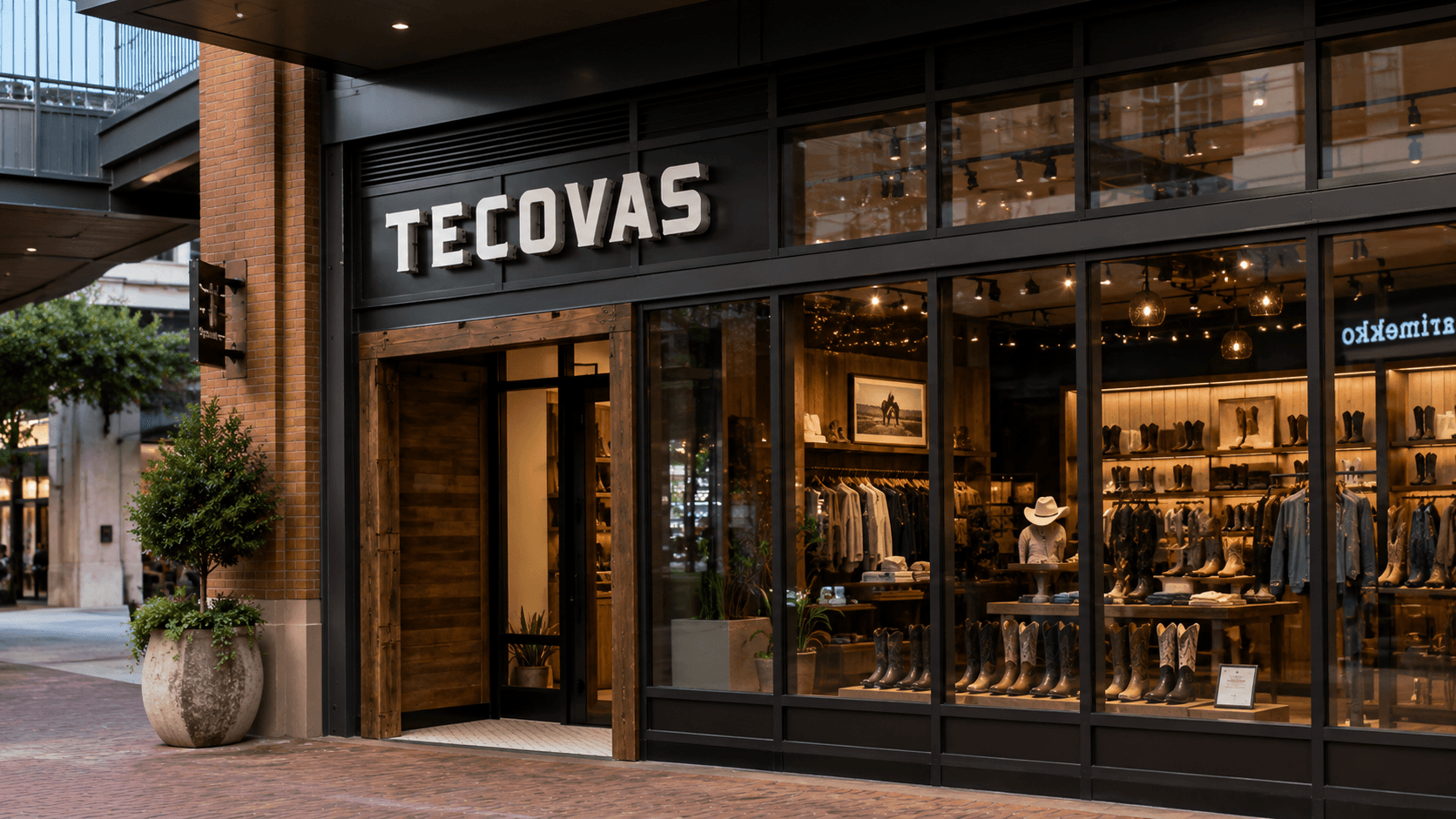
Summerlin Is About to Get a Whole Lot More Yeehaw
Cowboy boots, live music, free drinks & giveaways. Downtown Summerlin is trading a little bougie for a whole lotta yeehaw.

Jul 8, 2026
Zippy's to Close Hualapai Way Location in Las Vegas
Zippy's announces the closure of its Hualapai Way location in Las Vegas on June 28, while expanding with a new restaurant on Camino Al Norte.

Jul 7, 2026
"Culver's Coming to Vegas: Prepare Your Appetite for Cheese Curds and Butter Burgers!"
"Culver's, the beloved Midwest chain, sets sights on Vegas - get ready for buttery burgers and creamy custard!"
0 Comments
Join the conversation
Be the first to comment
Share your thoughts above.